Soundtrack to this post.
I have been out of hospital for three days now. The silence of my own bedroom is still a bit jarring after weeks of beeping monitors, rattling drug trolleys, and the constant theatre of the ward.
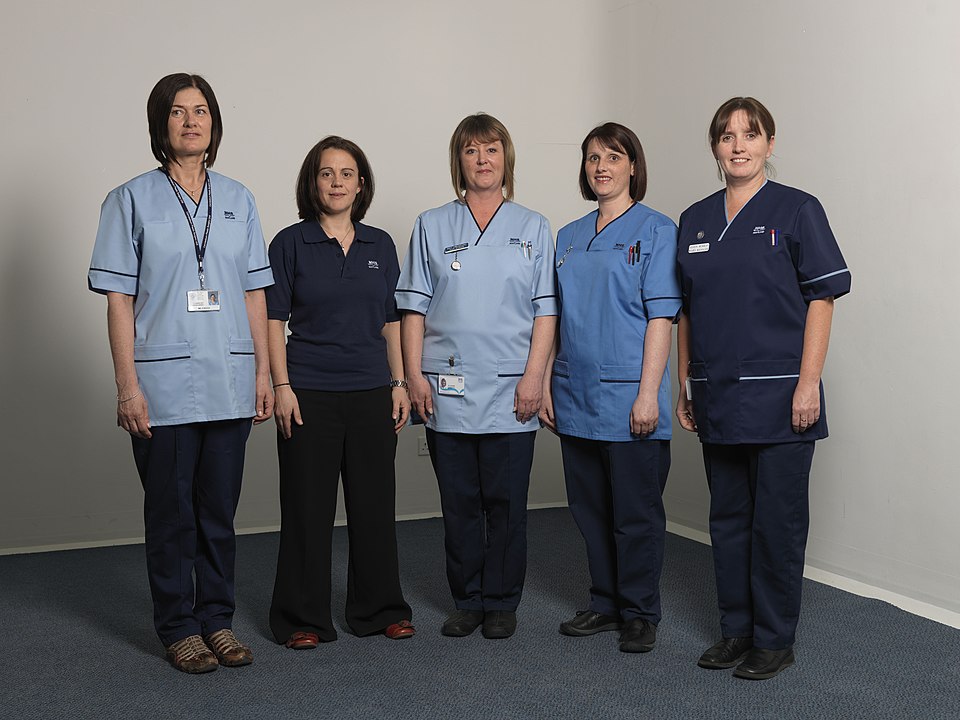
First, I need to say it: the staff on Ward 27 were marvellous. From the consultants to the cleaners, they are the glue holding a fraying system together. They treated me with dignity, humour, and skill. They saved my life.
But now that I am out, I can say something else: the system they work in is breaking.
I was part of the problem. For three weeks, I occupied a bed that could have gone to an emergency admission. Why? Because my consultant knew that if he discharged me and requested my scans as an “outpatient,” I would be waiting months. By keeping me in the bed, he could order them as an “inpatient” and get them done in days.
It was a brilliant workaround for me, but a disaster for the NHS efficiency stats. I was essentially “bed blocking” my own recovery just to navigate the bureaucracy.
And looking around the ward, I realised I wasn’t the only one there because of a systemic failure.
It seemed to me that a huge number of patients were there not because of bad luck, but because of what we clinically call “lifestyle factors” and what we should politically call “despair.”
The data backs this up. In Scotland, we see nearly 30,000 hospital admissions a year purely due to alcohol. Drug-related hospital stays are rising again too, with over 11,000 cases in the last year alone.
The NHS is currently functioning as the emergency room for a society that is failing its citizens long before they reach the hospital doors. We are treating liver failure in Ward 27 because we didn’t treat the alcoholism in the community ten years ago. We are treating malnutrition and obesity because healthy food is expensive and addiction is a salve for poverty.
We cannot “fix” the NHS just by throwing money at hospitals. That is like trying to fix a leaking roof by buying more buckets. We have to fix the roof.
If we want to protect the NHS, we have to talk about:
- True Preventative Care: We need to stop treating addiction as a crime and start treating it as a health crisis before the ambulance is called.
- Social Care Integration: We need a social care system that actually works, so patients don’t have to stay in hospital simply because there is no one to look after them at home.
- Honest Triage: We need a system where a consultant doesn’t have to game the system and block a bed just to get a patient an MRI scan.
The NHS is the greatest achievement of our society. It is the only reason I am here to write this. But if we want it to survive the vultures who are circling, we have to stop using it as a sticking plaster for broken social policy.
- Alcohol Data: Alcohol Related Hospital Statistics 2024/25, Public Health Scotland (Published Jan 2026).
- Drug Data: Drug-Related Hospital Statistics Scotland 2023/24, Public Health Scotland.
Leave a Reply